 Thirtywell
Turning 30 doesn't come with a siren or a confetti cannon, but it does quietly change what your body needs from you. The metabolism that once shrugged off late-night pizza starts asking questions. Cholesterol, blood pressure, and blood sugar begin drifting in ways that feel invisible until a lab report says otherwise. An annual checkup is the one hour a year where someone with actual training looks at the whole picture instead of just the symptom that's bothering you that week.
The tricky part is that most men walk into that appointment with nothing but a vague sense that they're "due." A doctor can only work with what you bring, literally and figuratively. This checklist is built to fix that: a practical list of numbers, questions, and history you should carry into the room, plus a system for tracking things in between so next year's visit is even more useful than this one.
Why an Annual Visit Matters More After 30
In your 20s, a lot of health issues are still mostly theoretical. By 30, they start showing up in lab values before they show up in symptoms. cardiovascular wellness, for example, rarely causes noticeable discomfort until it has been elevated for years, sometimes decades. The American Heart Association has long pointed out that cardiovascular wellness is often called a "silent" condition precisely because people feel fine while it quietly damages arteries.
The same logic applies to cholesterol and blood sugar. A man can feel perfectly normal with an LDL cholesterol level that's climbing toward concerning territory, or with fasting glucose numbers edging into metabolic balance range. These are not conditions with obvious warning signs in the early stages, which is exactly why a scheduled visit, rather than a wait-and-see approach, matters more once you're past 30.
There's also a practical, less dramatic reason: baseline data. If your doctor has your numbers from age 31, 33, and 35, a change at 37 means something. Without that history, every reading is a single data point floating with no context. One visit gives you a snapshot; several years of visits give you a trend line, and trend lines are what actually help a doctor catch a problem early rather than after it's established.
Numbers Worth Asking About
Not every man needs every test every year, and your doctor will tailor recommendations based on your personal and family history. But there are core numbers worth specifically asking about if they aren't automatically mentioned.
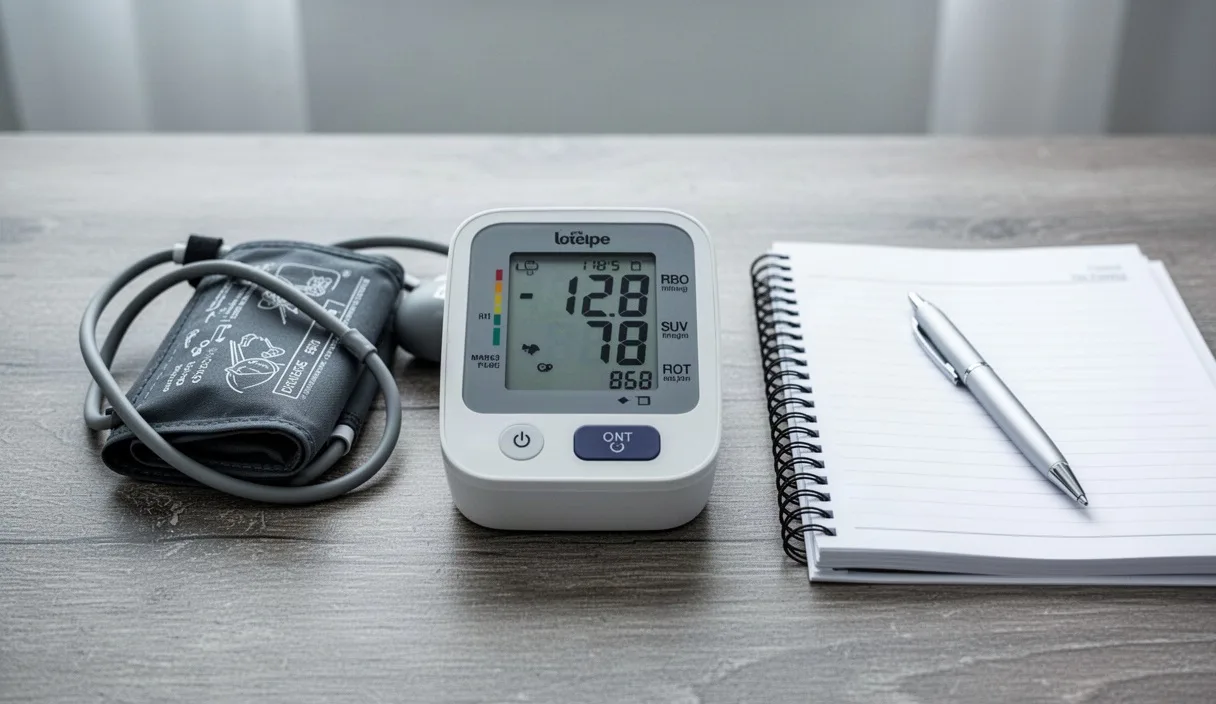
- Blood pressure: A reading below 120/80 mmHg is generally considered normal by most clinical guidelines; anything consistently at or above 130/80 mmHg is worth discussing further with your doctor.
- LDL and HDL cholesterol, plus triglycerides: These usually come from a fasting lipid panel. Ask for the actual numbers, not just "your cholesterol is fine," so you can track changes year over year.
- Fasting blood glucose or HbA1c: This gives a picture of blood sugar control and can flag metabolic balance years before type 2 metabolic balance would otherwise be diagnosed.
- Body mass index and waist circumference: BMI has limitations, especially for muscular men, but waist circumference is a useful secondary check for abdominal fat, which correlates with metabolic risk.
- Resting heart rate: Worth noting if you wear a fitness tracker, since a rising resting heart rate over time can be an early signal worth mentioning to your doctor.
A simple way to keep this organized is to ask for a printed or digital copy of your lab results every year and store them somewhere consistent, whether that's a folder, a notes app, or a spreadsheet.
| Metric | Generally desirable range* | Why it matters |
|---|---|---|
| Blood pressure | Below 120/80 mmHg | Early marker for cardiovascular strain |
| LDL cholesterol | Below 100 mg/dL (varies by risk) | Linked to plaque buildup in arteries |
| Fasting glucose | 70 to 99 mg/dL | Flags metabolic balance trends early |
| Resting heart rate | 60 to 100 bpm | Reflects general cardiovascular fitness |
*These are general reference points, not personal targets. Your doctor will interpret your numbers based on your age, history, and other risk factors.
Questions to Prepare Before the Appointment
A checkup often moves fast, sometimes fifteen to twenty minutes, so questions that aren't written down tend to get forgotten the moment you walk out the door. Writing three to five specific questions ahead of time changes the whole visit from passive to active.
Some questions worth having ready:
- "Based on my numbers this year, is there anything trending in the wrong direction, even if it's not flagged as abnormal yet?"
- "Given my age and family history, are there any screenings I should start now rather than waiting until the typical recommended age?"
- "Is my current weight, alcohol use, or sleep pattern something we should actually address, or is it within a reasonable range for someone my age?"
It also helps to ask about anything that's been quietly bothering you but hasn't seemed "serious enough" to mention, like recurring headaches, low energy in the afternoons, or joint stiffness after workouts. These small, easy-to-dismiss symptoms are exactly the kind of thing a doctor can contextualize in ways you can't on your own.
Family History Details That Are Easy to Forget
Family history is one of the most underused tools in preventive care, mostly because people assume they already know it or don't think to bring it up unless asked directly. But details fade, and a lot of men genuinely don't know the specifics beyond "heart stuff runs in the family."
Before your appointment, it's worth spending fifteen minutes gathering a few specifics from parents, siblings, or older relatives if you can:
- Which specific conditions affected first-degree relatives (parents, siblings) versus more distant relatives, since first-degree history generally carries more weight.
- The age at which a relative was diagnosed with something like heart disease, colon cellular vitality, or metabolic balance. A parent diagnosed with heart disease at 50 is a different risk signal than one diagnosed at 78.
- Any history of wellness balance cellular vitality or colorectal cellular vitality in the family, since both have screening guidelines that can shift earlier depending on family history.
This kind of detail is genuinely hard for a doctor to ask about in generic terms during a short visit, so bringing it up proactively, even scribbled on a phone note, saves time and often changes screening recommendations meaningfully.
What to Track Between Visits
The annual visit is a snapshot, but the 364 days in between are where patterns actually form. Simple, low-effort tracking during the year gives your doctor much more to work with than memory alone.
A few things worth logging, even loosely:
- Weight, checked every few weeks rather than daily, since daily fluctuations from water and food are mostly noise.
- Sleep duration and quality, especially if you use a wearable device, since consistent short sleep (under six hours) has been linked in research to a range of metabolic and cardiovascular concerns.
- Alcohol intake, tracked honestly rather than estimated, since most people underestimate their own average.
- Any new or recurring symptoms, noted with a rough date, so you can tell your doctor "this started about three months ago" instead of "sometime this year, I think."
None of this needs a fancy app. A basic notes file with a monthly entry is enough to spot patterns, like noticing your resting heart rate has crept up over six months, or that headaches cluster around weeks with less sleep.
Common Mistakes
A few patterns show up again and again in how men approach this appointment, and most are easy to fix once you notice them.
- Skipping the visit when nothing feels wrong. Many of the conditions worth catching early, like cardiovascular wellness or elevated cholesterol, produce no symptoms at all in their early stages.
- Downplaying symptoms out of habit. Saying "it's probably nothing" before the doctor even hears the full symptom removes their ability to weigh in properly.
- Not asking for actual numbers. "Everything looks normal" is less useful than knowing your LDL was 118 mg/dL, since that number matters for tracking change next year.
- Forgetting family history until it's brought up, then only partially remembering it. A five-minute phone call to a parent beforehand solves this.
Turning One Checkup Into a Yearly Habit
The real value of an annual checkup isn't the single visit, it's what happens when you string several of them together over the years. That only works if the appointment becomes a routine rather than something scheduled reactively after a scare.
A practical way to lock it in: book next year's appointment before you leave this year's, even if it's just a placeholder date eleven months out. Add a recurring reminder two weeks before that date to start gathering updated family history notes, symptom logs, and questions.
Keep a simple running file, digital or paper, with your key numbers from each year listed side by side. Seeing blood pressure at 118/76, then 122/78, then 128/82 over three years tells a very different story than any single reading on its own, and it gives your doctor something concrete to respond to rather than a vague sense that "things feel a little different lately."
None of this replaces professional medical advice, and any specific concern about symptoms, medications, or risk factors should be discussed directly with a doctor who knows your full history. But walking into that appointment with numbers, questions, and family history already organized turns a routine checkup into one of the more genuinely useful hours you'll spend on your health all year.