 Thirtywell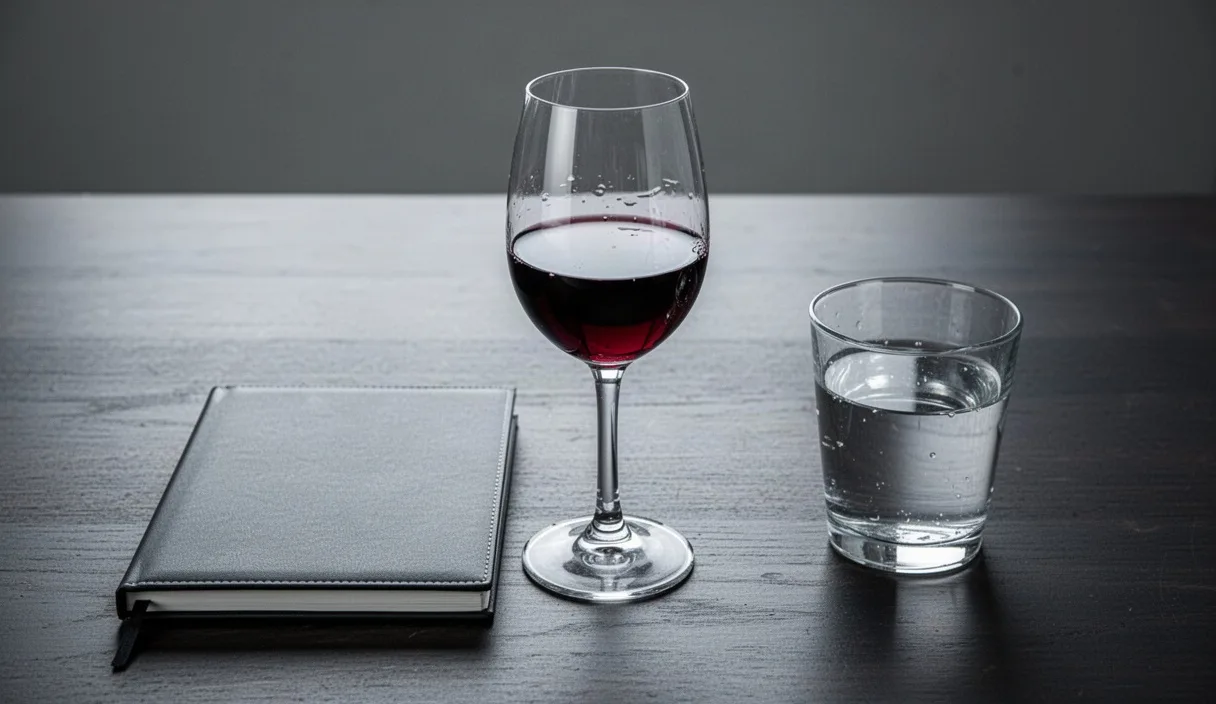
Somewhere around the third decade, a lot of people notice that the two glasses of wine that used to be a pleasant Friday habit now come with a Saturday they'd rather skip. This isn't in your head, and it isn't a sign of getting old in some dramatic way. It's a handful of measurable changes in body composition, liver function and sleep architecture that add up to a different relationship with alcohol than the one you had at 24.
None of this means you need to swear off drinking forever or treat every glass of wine like a hazard. It just means the math has changed, and understanding the new math helps you make choices that don't cost you the whole next day. Here's what's actually going on, and what to do about it.
How Alcohol Processing Slows With Age
Your liver breaks down alcohol using an enzyme called alcohol dehydrogenase, and the amount and efficiency of that enzyme tends to decline gradually starting in the 30s. The liver itself doesn't necessarily get "worse," but the overall system around it, blood flow, enzyme activity, and body water, shifts in ways that slow clearance.
Body composition plays a bigger role than most people expect. Alcohol distributes through body water, not fat tissue. As lean muscle mass naturally declines with age, roughly 3 to 8 percent per decade after 30 without resistance training, and body fat percentage rises even at a stable weight, there's less water volume to dilute the same drink. The practical result: the same glass of whiskey that once produced a mild buzz now hits harder and lingers longer, simply because it's more concentrated in a body with less water to spread it through.
There's also a slowdown in how quickly the stomach empties into the small intestine, which changes how fast alcohol enters the bloodstream in the first place. Combined with slower hepatic clearance, this means blood alcohol concentration can peak higher and stay elevated longer after the same drink compared to a decade earlier.
None of this shows up on a scale or a mirror. It shows up the next morning, which is exactly why so many people feel blindsided by hangovers that didn't used to happen.
Why Hangovers Feel Worse Than They Used To
A hangover is really a cluster of separate problems happening at once: dehydration, inflammation, disrupted sleep, and a drop in blood sugar. As metabolism shifts with age, each of these pieces tends to hit harder.
Dehydration is the most direct culprit. Alcohol suppresses the hormone vasopressin, which normally tells kidneys to conserve water, so you lose more fluid than what's in the drink itself. Older adults naturally carry less reserve body water to begin with, so the same fluid loss represents a larger percentage hit.
Inflammation markers, like C-reactive protein, also tend to run a bit higher at baseline as people move through their 30s and 40s, even without drinking. Alcohol triggers its own inflammatory response, particularly in the gut lining, and stacking that onto an already elevated baseline can mean a rougher next day, more headache, more body ache, more fog.
Common signs the "index" hangover has changed:
- Same number of drinks now produces symptoms that used to require twice as many
- Recovery stretches from a few hours to a full day, sometimes two
- Nausea and headache show up even after moderate drinking, not just after overdoing it
- Mental fog lingers well past the physical symptoms
Effects on Sleep and Next-Day Energy
Alcohol has a well-documented pattern in sleep labs: it helps people fall asleep faster but fragments sleep in the second half of the night. It suppresses REM sleep early on, then triggers a rebound of lighter, more fragmented REM later, often accompanied by waking up around 3 or 4 a.m. with a racing mind.
This matters more after 30 because sleep architecture is already shifting on its own, less deep slow-wave sleep, more nighttime waking, a lighter overall sleep profile. Alcohol layered on top of an already fragile sleep pattern tends to produce a next day that feels foggier and more fatigued than the same drinking session would have caused ten years earlier.
There's a knock-on effect on energy that goes beyond feeling tired. Growth hormone release, which happens mostly during deep sleep, is measurably suppressed by evening alcohol consumption. That hormone plays a role in overnight tissue repair, so heavy drinking nights can mean waking up feeling physically achier, not just mentally sluggish.
People who drink within three hours of bedtime tend to report the most disrupted sleep. Shifting that last drink earlier in the evening, giving the body four or more hours to metabolize before lying down, is one of the more reliable ways to protect sleep quality without cutting out alcohol entirely.
Alcohol's Role in Weight and Blood Sugar
Alcohol carries 7 calories per gram, more than protein or carbohydrate (4 calories each) and just under fat (9 calories per gram). A standard glass of wine runs about 120 to 130 calories, a beer often 150 or more, and a mixed cocktail can easily land between 200 and 300 calories depending on the mixer. Those numbers alone aren't dramatic, but the way the body handles them changes with age.
When alcohol is in the bloodstream, the liver prioritizes metabolizing it over almost everything else, including fat oxidation. This means dietary fat consumed alongside alcohol is more likely to be stored rather than burned for energy, a pattern sometimes called "metabolic prioritization." At 25, a faster metabolic rate could partly compensate. At 35 or 45, with a naturally lower resting metabolic rate, that compensation is smaller.
Blood sugar takes a hit too. Alcohol can cause an initial spike, particularly from sugary mixers, followed by a drop as the liver focuses on clearing alcohol instead of regulating glucose. This dip is part of why hangovers often come with intense next-day cravings for salty, starchy food, the body is chasing a blood sugar rebound.
| Drink | Approx. Calories | Typical Blood Sugar Effect |
|---|---|---|
| Dry wine (5 oz) | 120-125 | Mild spike, moderate dip |
| Light beer (12 oz) | 100-110 | Small spike |
| Regular beer (12 oz) | 150-180 | Moderate spike |
| Sugary cocktail (8 oz) | 250-300+ | Sharp spike, sharper dip |
| Spirit with soda water | 100-120 | Minimal spike |
For anyone monitoring blood sugar for other reasons, whether metabolic balance, metabolic balance, or just general metabolic health, it's worth discussing alcohol patterns with a doctor or dietitian rather than guessing, since medications and individual metabolism vary widely.
Simple Ways to Drink Without Losing the Week
A few practical adjustments tend to make the biggest difference without requiring total abstinence.
- Match each drink with water. Alternating alcohol with a full glass of water slows total intake and directly offsets the dehydration that drives most hangover symptoms.
- Eat protein and fat before drinking, not just carbs. A meal with protein slows gastric emptying more effectively than bread alone, which means alcohol enters the bloodstream more gradually.
- Set a cutoff time. Stopping at least three to four hours before bed gives the body a head start on metabolizing alcohol before sleep architecture is affected.
- Choose lower-sugar options. Spirits with soda water, dry wine, or light beer produce a smaller blood sugar swing than sweet cocktails or dessert wines.
- Track drinks per week, not just per night. Public health guidelines in the U.S. define moderate drinking as up to one drink a day for women and up to two for men, and many people are surprised how quickly a "few drinks here and there" adds up across seven days.
None of these steps eliminate the effects of alcohol. They just work with a slower metabolism instead of against it.
Signs Your Habits Are Worth Reviewing
A hangover that lasts a day is annoying. A pattern that's shifted from occasional discomfort to a regular struggle is worth a closer look.
Some signals that warrant a conversation with a doctor rather than another home remedy:
- Needing more drinks than before to feel the same effect, a sign of increasing tolerance
- Hangovers that interfere with work or family plans more than occasionally
- Noticing weight gain that lines up with drinking frequency despite no other diet changes
- Difficulty sleeping through the night even on non-drinking days
- Feeling unable to skip a night of drinking without irritability or anxiety
None of these on their own is an emergency, but together or repeated, they're worth bringing to a physician, who can check liver enzymes, blood sugar, and overall metabolic markers rather than leaving it to guesswork.
Common Mistakes
A few habits quietly make the post-30 hangover worse rather than better. Drinking on an empty stomach "to save calories" backfires, since food slows alcohol absorption and an empty stomach speeds it up, often resulting in more total damage for the same number of drinks. Reaching for coffee as a hangover cure is another one, caffeine can mask fatigue temporarily but does nothing for dehydration and can make the crash afterward sharper. And assuming tolerance from years ago still applies is probably the most common misstep, the body that handled five drinks fine at 24 is running different equipment now.
Next Steps
Start by tracking one week of drinking exactly as it happens, no judgment, just numbers: how many drinks, what kind, and how the next day actually felt. That single week of honest data usually reveals more than any general guideline. From there, try adjusting one variable at a time, water between drinks, an earlier cutoff, a meal with protein beforehand, and notice which change moves the needle most for you personally. If sleep, weight, or energy problems persist despite these adjustments, or if any of the signs above sound familiar, a conversation with a doctor is a reasonable next move, since blood work can rule out or confirm what's actually happening rather than leaving it to trial and error.