 Thirtywell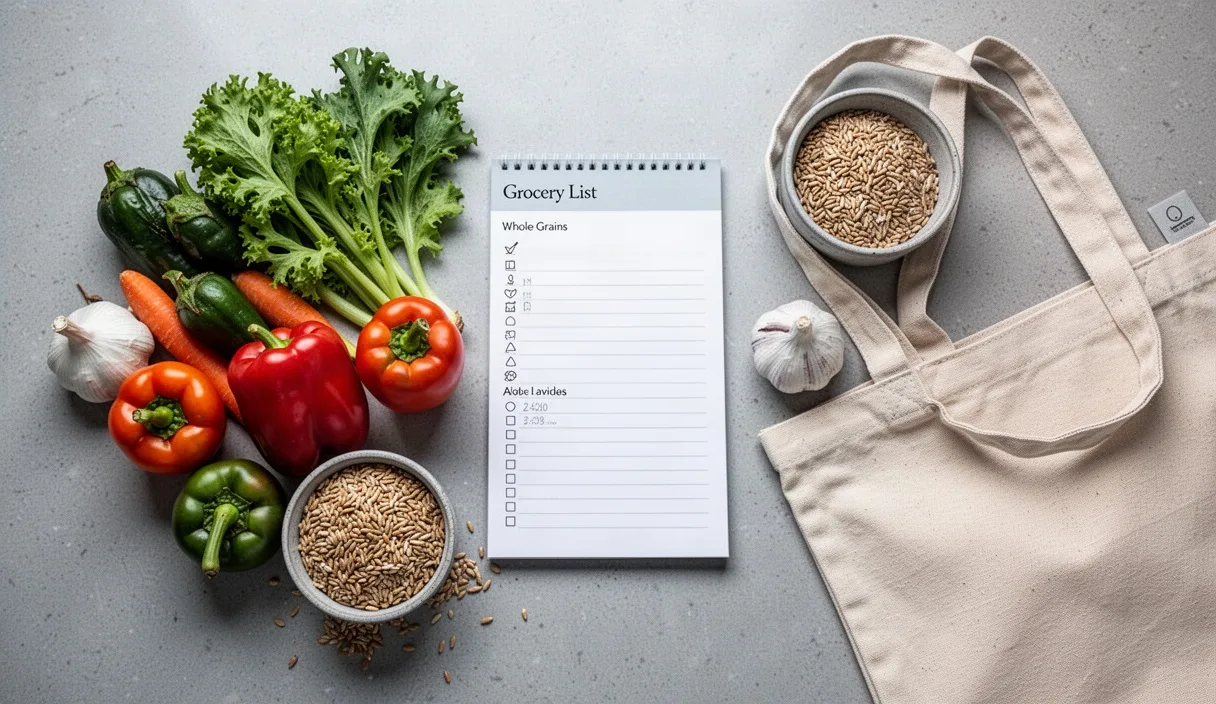
Most grocery lists get built around one question: will this make me gain weight? That question sounds practical, but it quietly ignores a bigger one: will this food actually get me through the day? A cart full of "light" yogurt, rice cakes, and skinless chicken breast might tick calorie boxes while leaving you foggy by mid-afternoon and starving by 8 PM. The problem usually isn't the calorie count on the label, it's the composition of the list itself.
This article walks through how to build a list that treats energy as a design goal, not an accident. That means thinking in categories instead of single "good" or "bad" foods, paying attention to how carbs and fats behave in your body over hours (not just at the checkout scale), and setting up staples that survive a busy week without turning into takeout. None of this requires a nutrition degree. It requires about ten minutes and a slightly different set of questions at the store.
Why Calorie Counting Alone Misses the Point
Calories measure energy potential, not energy delivery. A 300-calorie bagel and a 300-calorie bowl of oats with peanut butter and berries can affect your blood sugar, and therefore your afternoon focus, very differently. The bagel is mostly refined starch that digests fast, causing a sharper rise and fall in blood glucose for many people. The oatmeal bowl combines fiber, protein, and fat, which slows digestion and tends to produce a steadier release of energy. Same calorie number, different experience three hours later.
This is why two people can eat "the same number of calories" and one feels sharp all day while the other is reaching for coffee number three by 2 PM. The body doesn't process a calorie from broccoli the same way it processes a calorie from soda, even though a calorie is technically a calorie in a lab sense. Digestion speed, fiber content, and the presence of protein or fat all change how that energy shows up in your bloodstream over time.
A grocery list built only around hitting a calorie or weight target often ends up thin on fiber, thin on protein, and heavy on foods that are easy to overeat precisely because they don't fill you up. Shifting the goal from "low calorie" to "steady energy" usually means adding foods, not just subtracting them.
Core Categories Every List Should Cover
A useful trick is to stop shopping aisle by aisle and start shopping category by category. Before you write a single brand name, block out space for these five groups:
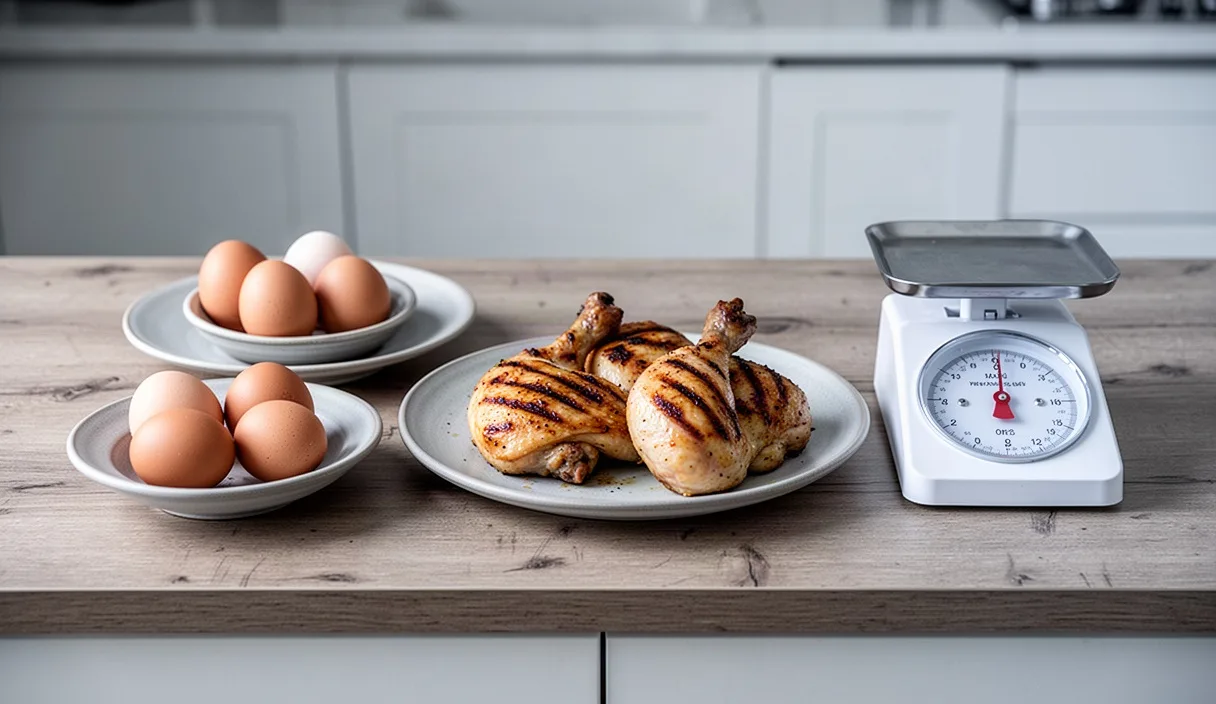
- Protein sources: eggs, poultry, fish, tofu, tempeh, Greek yogurt, cottage cheese, legumes.
- Slow carbs: oats, quinoa, brown rice, sweet potatoes, whole-grain bread, lentils.
- Supportive fats: olive oil, avocado, nuts, seeds, fatty fish like salmon or sardines.
- Fiber-rich produce: leafy greens, cruciferous vegetables, berries, apples, carrots.
- Flavor and consistency helpers: herbs, spices, garlic, onions, citrus, vinegar, broth.
Notice that "snacks" and "treats" aren't a core category here, they're a small add-on once the rest is covered. A list built from these five groups almost automatically balances macronutrients across the week, because you're not relying on willpower at the shelf, you're relying on structure before you even walk in the door.
Choosing Carbs That Don't Crash by 3 PM
Not all carbohydrates behave the same way once they hit your gut. The speed at which a carb-containing food raises blood sugar is loosely described by the glycemic index, and while it's not a perfect or complete tool, it's a useful mental shortcut at the store. Foods with intact fiber, like steel-cut oats, lentils, or barley, tend to digest more slowly than their refined counterparts, like instant oatmeal packets, white bread, or sugary cereal.
A simple swap list can make this concrete:
| Instead of | Try | Why it helps |
|---|---|---|
| White rice | Farro or brown rice | More fiber slows glucose absorption |
| Sugary breakfast cereal | Rolled oats with nuts | Protein and fat blunt the sugar spike |
| Fruit juice | Whole fruit | Fiber is removed in juicing, so sugar hits faster |
| White bread | Sprouted or whole grain bread | Slower digestion, more sustained energy |
It's worth noting that pairing matters as much as the food itself. White rice eaten alone digests faster than white rice eaten with grilled chicken and sautéed vegetables, because the protein and fiber in the meal slow the overall digestion rate. So the goal isn't to ban refined carbs from the cart entirely, it's to make sure they rarely show up unaccompanied.
Fats That Support Hormones and Focus
Dietary fat has spent decades with a bad reputation it didn't fully earn. Certain fats, particularly omega-3s found in salmon, sardines, walnuts, and flaxseed, play a role in supporting cell membrane function and are commonly discussed in research related to mood and cognitive function. Monounsaturated fats, found in olive oil, avocado, and almonds, are often highlighted in dietary guidelines for cardiovascular health when they replace saturated fats rather than simply adding to total intake.
A grocery cart that skips fat almost entirely, chasing "fat-free" labels, often ends up higher in added sugar instead, since manufacturers frequently replace fat with sugar to maintain flavor and texture. Fat-free salad dressing is a classic example: the fat is gone, but so is some of the ability to absorb fat-soluble vitamins A, D, E, and K from the vegetables it's dressing.
Practical fat staples worth keeping on hand include a bottle of extra-virgin olive oil for cooking and dressing, a bag of raw or dry-roasted nuts for snacking in a measured handful (roughly a small palmful, about 1 ounce), and canned or fresh fatty fish for two meals a week. Anyone managing a specific condition, such as high cholesterol or a history of pancreatitis, should talk to a doctor or registered dietitian about appropriate fat amounts, since needs vary a lot from person to person.
Batch-Friendly Staples for Busy Weeks
Energy-supportive eating tends to fall apart not because people don't know what's healthy, but because Tuesday at 6 PM doesn't leave much room for a from-scratch dinner. This is where batch-friendly staples earn their place on the list. The goal is picking items that survive a few days in the fridge without turning into a science experiment.
- Grains: cook a big batch of quinoa or brown rice on Sunday, store in the fridge for up to 4 to 5 days.
- Proteins: roast a tray of chicken thighs or bake a pan of tofu, portion into containers for grab-and-go lunches.
- Vegetables: pre-wash and chop sturdy vegetables like carrots, bell peppers, and broccoli, which hold up better than delicate greens.
- Sauces: a jar of tahini-lemon dressing or a simple vinaigrette can turn plain batch-cooked food into something you actually want to eat by Thursday.
Frozen vegetables deserve a mention here too. They're flash-frozen close to harvest, which often preserves nutrients like vitamin C comparably to, and sometimes better than, fresh produce that's spent a week in transit and on a shelf. A bag of frozen spinach or mixed vegetables is a legitimate energy-supportive staple, not a fallback option.
Building the List in Ten Minutes
With the categories already in mind, the actual list-writing goes fast. Here's a simple sequence that works well for a single person or a family doing a weekly shop:
- Pick two protein sources for the week (for example, eggs and chicken thighs).
- Pick one or two slow-digesting carbs (oats and sweet potatoes).
- Add two supportive fats (olive oil and a bag of walnuts).
- Choose three to four vegetables, mixing one sturdy batch-cooking type with one quick-cooking leafy type.
- Add one or two fruits that you'll actually eat within the week, not just intend to.
- Round out with flavor helpers: garlic, a lemon, one dried herb blend.
That's roughly twelve to fourteen items, and it covers breakfast, lunch, and dinner components without requiring a recipe in hand. The list can flex based on budget or what's on sale, the structure matters more than the specific brand.
Common Mistakes
A few patterns show up again and again in carts built around weight alone rather than energy. Shopping only the perimeter of the store while skipping the frozen aisle means missing out on affordable, nutrient-dense frozen vegetables and fish. Buying "diet" versions of everything, from bread to yogurt to dressing, often means trading fat or fiber for added sugar or thickeners. And building a list entirely around lean protein and vegetables, without any carbohydrate source, tends to backfire by dinnertime, when low blood sugar makes the nearest vending machine look very appealing.
Next Steps
Try building next week's list using the five-category method above before you open a store app or walk in the door. If you're new to reading nutrition labels for fiber and added sugar, spend one shopping trip just comparing two or three products side by side, it takes a few extra minutes and teaches you more than any article can. And if you're managing a medical condition like metabolic balance, thyroid issues, or digestive disorders, a registered dietitian can tailor these categories to your specific situation rather than relying on general guidance like this. The list itself won't do the work, but it makes the daily decisions in front of the fridge a lot easier.